


Compare products Delete all products
You can compare a maximum of 3 products
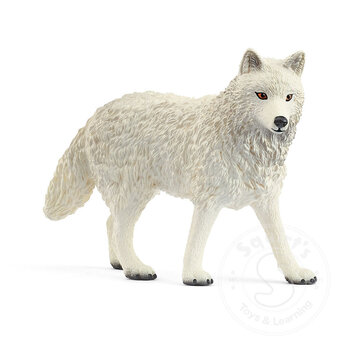
Schleich Arctic Wolf
Despite its thick fur, you can see how elegantly built the Arctic wolf is. It certainly needs such thick fur, because it can get very cold in the Arctic, where it lives.
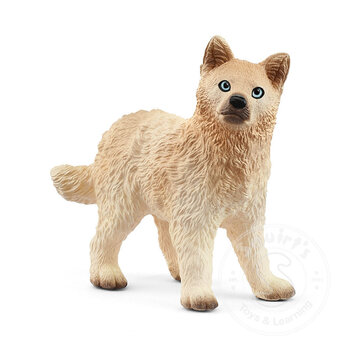
Schleich Arctic Wolf cub
The little Arctic wolf cub looks too cute. It already has fur just as thick as the grown ups, because it needs to keep warm in the Arctic too. But instead of being snow-white, its coat is cream-colored....
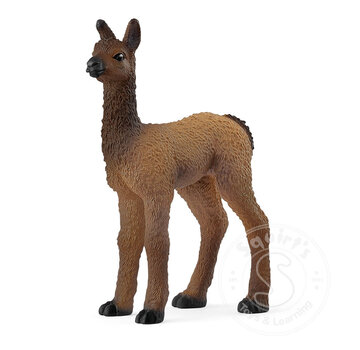
Schleich Llama Foal
The little llama foal looks adorable with its fluffy, brown fuzzy fur. Its long neck and petite head are dark brown, as are the pointed ears. Only its short snout and feet are black. It's looking at you with its soft shining eyes.
Ages: 3+
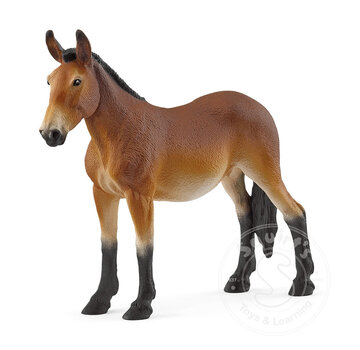
Schleich Mule
What a pretty mule! It has brown fur, which becomes lighter and lighter on the belly, and black legs. The short, thick mane is also black. Its long ears are a giveaway: You can tell immediately from them that its father was a donkey...
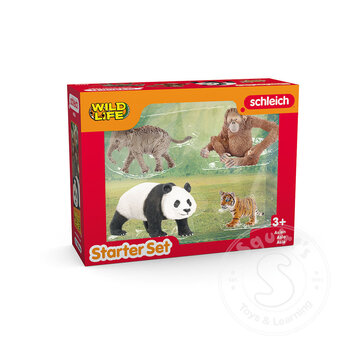
Schleich Wild Life Asia Starter Set
Wild Life Asia Starter Set features Schleich® figures that have authentic details, are lovingly painted, and promote educationally valuable play. Set includes a baby elephant, panda, tiger and orangutan.
Ages: 3+
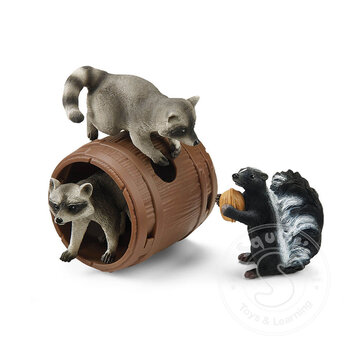
Schleich Wild Life Nutty Mischief (Hunt for the Nut)
You have to be quick with schleich® WILD LIFE Nutty Mischief. The skunk grabs the nut and throws it in the wooden barrel to hide it. But in an unexpected twist one of the cheeky raccoons is in the barrel! The game starts again! Will the skunk be able to..
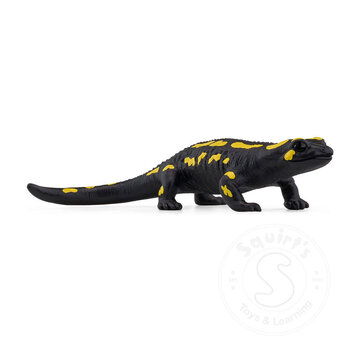
Schleich Fire Salamander
The Fire Salamander looks beautiful with its patterned black & yellow shiny skin. Sitting on a mossy stone, it is quite easy to spot, especially since it is pretty large for an amphibian. Its bright body color protects it from predators. They may admire..
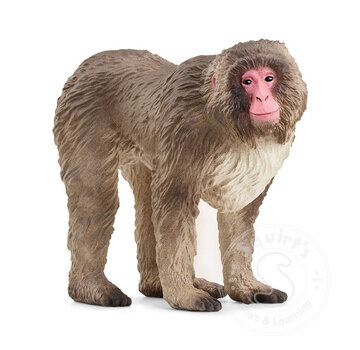
Schleich Japanese Macaque
On all fours, the Japanese Macaque keeps a close eye on what's going on. Nothing escapes the black beady eyes in its reddish face. The thick fur keeps this little monkey safe and warm even in cold weather. Sometimes it even has to endure icy winds and ...
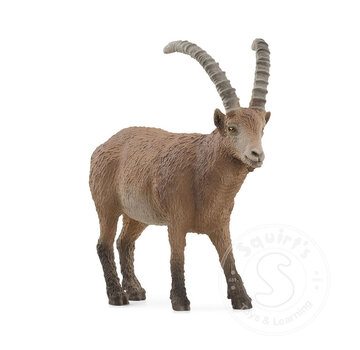
Schleich Capricorn
Doesn't it look a picture when the Ibex stands on a rocky outcrop surveying its realm? Its mighty horns can be seen from afar. Simply majestic! The high mountains are its home. When it skips skillfully over the rocks, no one can follow.
Schleich Bonobo, female
The female Bonobo looks like a Chimpanzee. No wonder: both come from the same ape family. But experts can recognize bonobos immediately by their light lips & distinctive middle parting. A pretty cool hairstyle for the female Bonobo, don't you think?
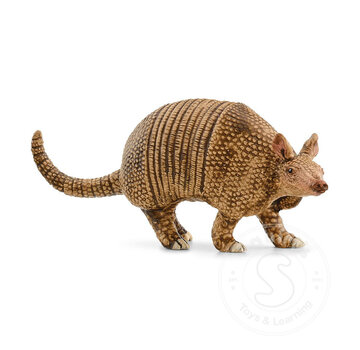
Schleich Armadillo
The Armadillo really is unique with its thick scaly carapace. It covers the whole body, leaving only the pointed nose & eyes exposed. The long nose gives it away: the Armadillo has a keen sense of smell to sniff out insects even when they are buried deep.
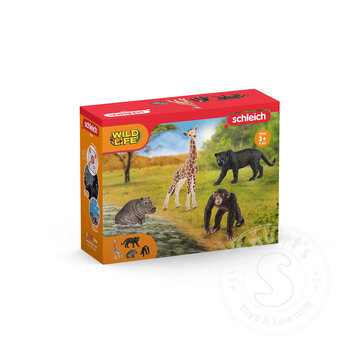
Schleich Wildlife Starter Set - Retired
The popular starter set from Schleich® WILD LIFE! The set includes a giraffe, jaguar, chimpanzee and hippo.
Ages: 3+
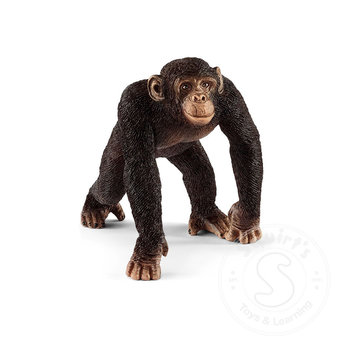
Schleich Chimpanzee, male
Explore the wild with this Chimpanzee Male , a fun, educational toy figurine from Schleich! This toy is detailed and handheld, and is ideal for hours of imaginative play.
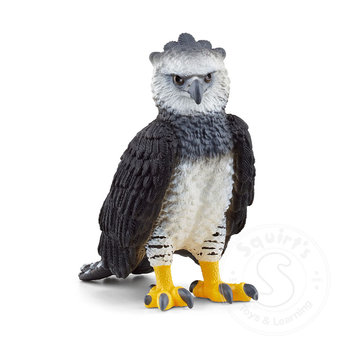
Schleich Harpy Eagle
Typically found in the rain forests of Central and South America, this Harpy Eagle prefers to perch wherever Schleich® Wild Life adventures are happening. Got a kid who loves birds and wild animals? Bring home a Harpy Eagle toy figure and watch...
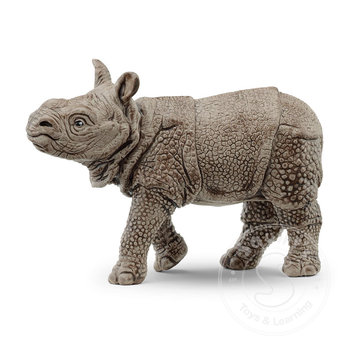
Schleich Indian rhinoceros baby
What could be cuter than a baby rhinoceros? Did you know the armored rhino is the second largest mammal on Earth? Don't worry…this adorable baby rhinoceros toy is perfectly sized for little hands and tiny pockets.
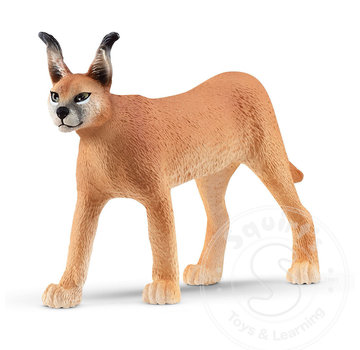
Schleich Caracal female - retired
With those highly-tuned ears, the female Caracal can hear absolutely everything – even kids playing with their Schleich® toys in bed after bedtime. So go to sleep! From the tufted ears to the bushy tail, the caracal toy figure from Schleich® is...
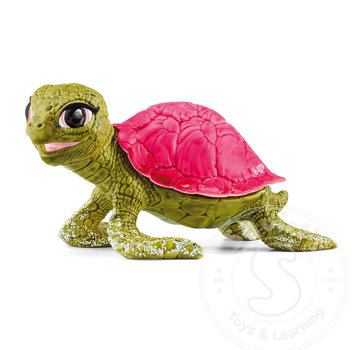
Schleich Pink Sapphire Turtle - retired
Fall in love with the Pink Sapphire Turtle! Glittering rhinestones sparkle and shine! Plus, parents love the built-in magnet to keep Bayala fairies attached when riding (fairies sold separately). Discover a world of shimmering wonder under the sea!
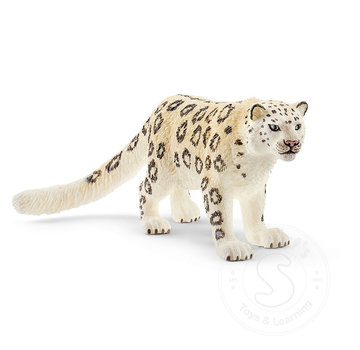
Schleich Snow Leopard
The snow leopard is a large cat that lives in the high rocky mountains of Central Asia. It feeds mainly on sheep, ibex and goats. Thick fur protects it against freezing cold temperatures but its beauty means that many animals fall prey to poachers...
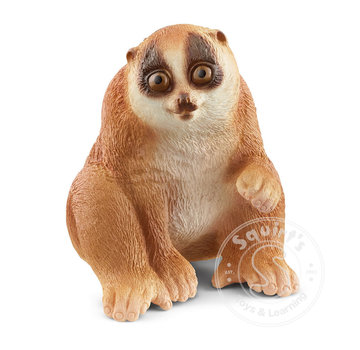
Schleich Slow Loris - retired
If you wanna get your hands on our slow loris figurine, act quickly: This lil' primate moves slowly in the wild, but this Wild Life superstar is a popular item and going fast. The wide-eyed, nocturnal forest dweller with the plump, fuzzy body is ...
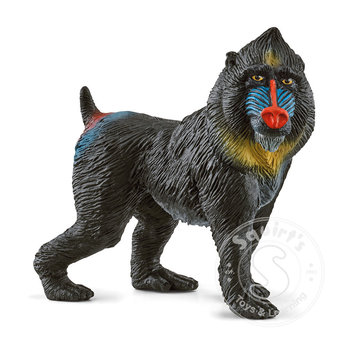
Schleich Mandrill
Explore the wild with this Mandrill , a fun, educational toy figurine from Schleich! This toy is detailed and handheld, and is ideal for hours of imaginative play.
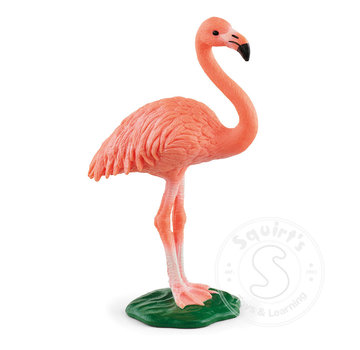
Schleich Flamingo
Explore the wild with this Flamingo , a fun, educational toy figurine from Schleich! This toy is detailed and handheld, and is ideal for hours of imaginative play.
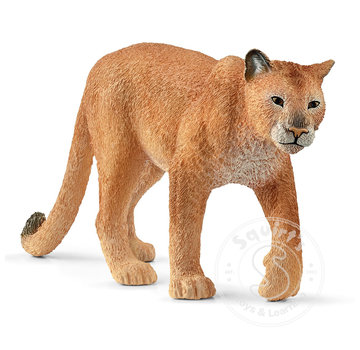
Schleich Cougar - retired
The cougar figurine from Schleich Wild Life is pouncing with lifelike detail! The slender, powerful frame…the piercing gaze…your goldfish crackers don't stand a chance against this wildcat predator.
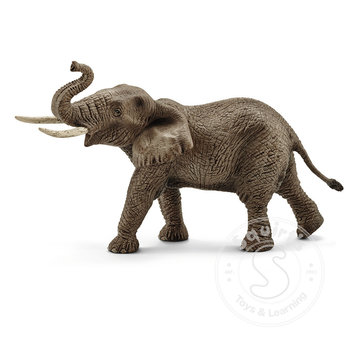
Schleich African Elephant, male
Explore the wild with this African Elephant Male , a fun, educational toy figurine from Schleich! This toy is detailed and handheld, and is ideal for hours of imaginative play.
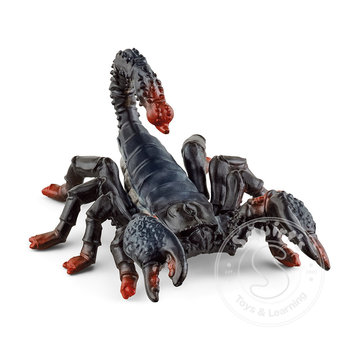
Schleich Emperor Scorpion
Explore the wild with this Emperor Scorpion , a fun, educational toy figurine from Schleich! This toy is detailed and handheld, and is ideal for hours of imaginative play.