Schleich

The Schleich characters come in a million gazillion shapes, sizes, and colours. Whether they have two legs, four legs, or no legs, they have one thing in common – every toy in our collection is authentic, detailed and high quality.


The Schleich characters come in a million gazillion shapes, sizes, and colours. Whether they have two legs, four legs, or no legs, they have one thing in common – every toy in our collection is authentic, detailed and high quality.
You can compare a maximum of 3 products
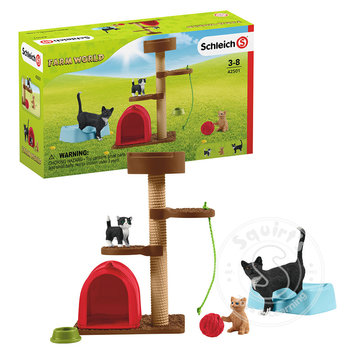
In “Playtime for cute cats” from the Schleich® Farm World the cute cats play with the ball of wool, frolic around their scratching post or hide in their little house. After all that playing they have a rest in their bed. The scratching post can ...
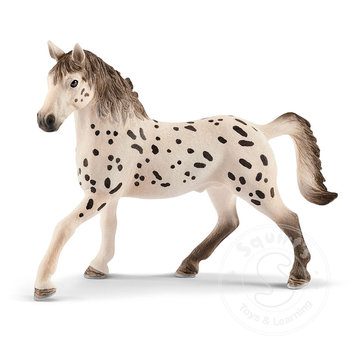
Knapstrupper and Appaloosa stallions look very similar, as they both have spotted coats. However, the two breeds developed independently. The Knapstrupper breed comes from Denmark, while Appaloosas originated in the USA. Knapstruppers are not...
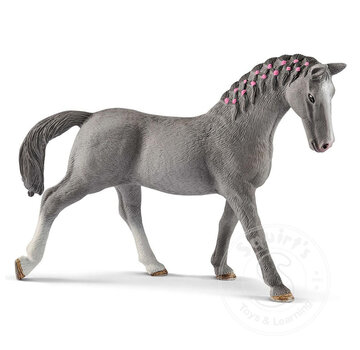
A Trakehener mare can only have a foal with a Trakehner, Arab or Thoroughbred stallion. This rule is intended to preserve the breed’s elegant build and spirited character. Trakehners originated in the East Prussian town of Trakehnen, near...
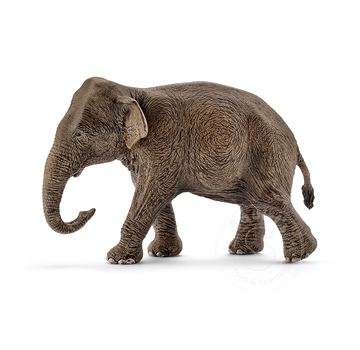
The trunk of an elephant is as versatile as a Swiss army knife. Not only can the elephant smell really well with it, it uses it to suck in water, steady itself, lift trees up high, or spray itself with cool mud. The elephant eats by wrapping its ...
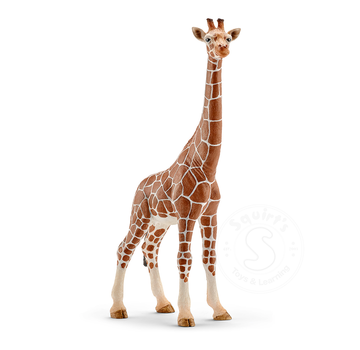
Despite the camouflage spots in their fur, giraffes do not always remain undetected by predators. But they know to defend themselves and can kick really hard with their front hooves. They mainly do this if they want to protect their young, because the...
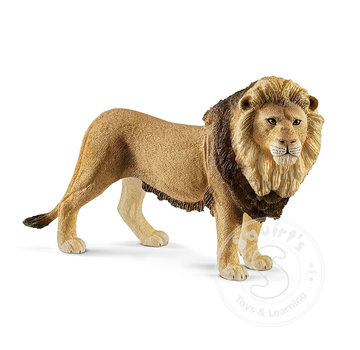
In order to become the leader of the pack, lions must win a duel. The larger their mane, the more respect they are shown by their rival. But not only does it look breath-taking – it also protects the animals from serious injuries on their ...
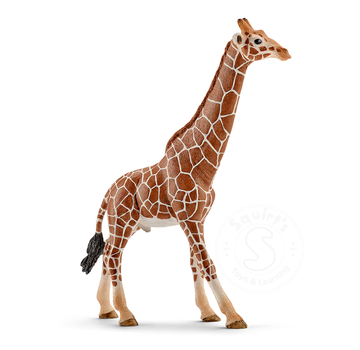
Giraffe bulls are so large, they can put their head through the window of the second floor of a building and say "hello". Their tongue is up to 50 centimetres long, is desensitised to prickly leaves, and has an unusual colour: it is dark blue. This colour
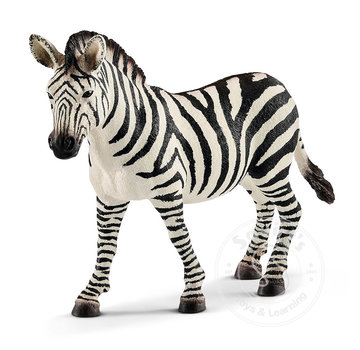
Zebras live in the African savannah and belong to the horse family. Each zebra has a unique fur coat pattern consisting of black and white stripes. Even its mane is striped. The pattern provides camouflage, confuses predators, protects against ...
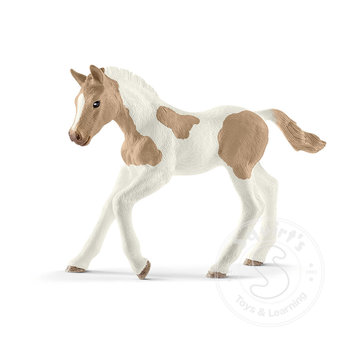
Paint horse foals have the breed’s beautiful characteristic patches right from birth. They are actually just dappled Quarter Horses. In the past, however, only solid-coloured ...
Fun Fact
Paint horses have only been an official breed since 1965.
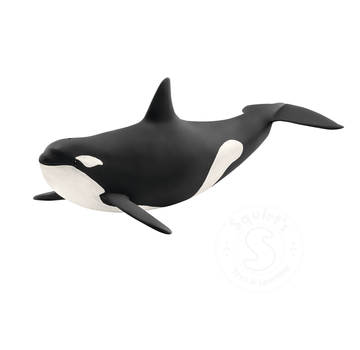
The orca is a large, toothed whale that belongs to the dolphin family. Its black and white colouring makes its unmistakable. Animals swimming under it don't recognise it, because the surface of the water is just as bright as its belly. And from above,...
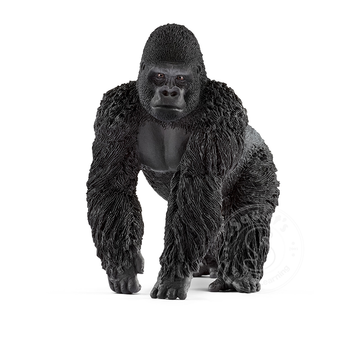
Male gorillas often beat their fists on their chests. They do so to show who is the strongest in the group. However, it can also be a kind of greeting. Gorillas don’t just walk on the palms of their hands, but also on their knuckles. For this ...
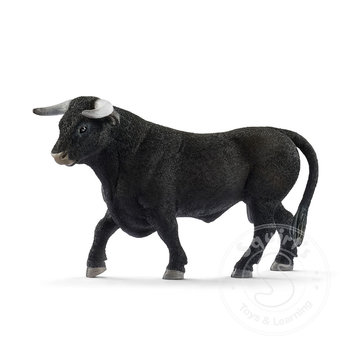
Bulls have been the symbol of Spain for centuries. They can weigh well over 1,000 kg and are extremely strong. Before a bull attacks, it displays warning behaviours. It shows itself from the side so that it looks bigger, tosses its head back...
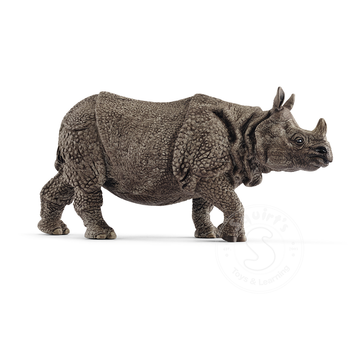
The Indian rhinoceros lives in Northeast India. Its thick folds of skin make it unmistakable, as though it were wearing thick armour. Contrary to its African relatives, however, it is very calm and peaceful. It spends most of its time eating ...
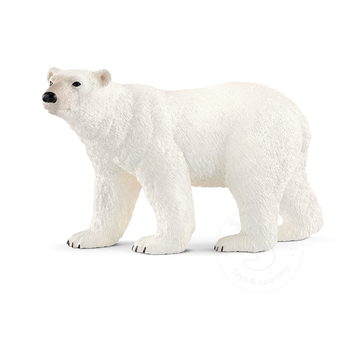
The polar bear’s habitat is the Arctic. In winter, the temperature there can drop to -50° Celsius. Although its fur coat appears white, its hair is transparent and hollow on the inside. The air inside these hairs is warmed by the sun, so that...
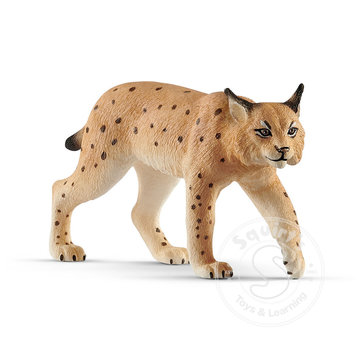
The lynx is best known for the striking tufts of hair on its ears. These do not protect the ears of this predatory cat from the cold, but actually help it to hear better. Lynx that live in colder areas have larger and more heavily padded padded ...
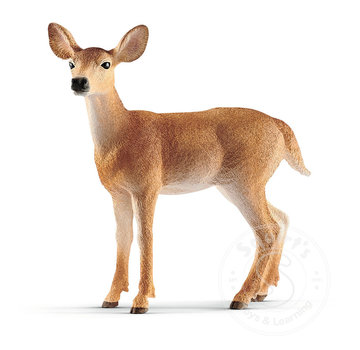
White-tailed does can see and hear very well, but rely mainly on their sense of smell and their speed. They are very agile and can sprint up to 48 km/h. Their grey-brown winter coat isn’t just camouflage against predators. Because the hairs are hollow...
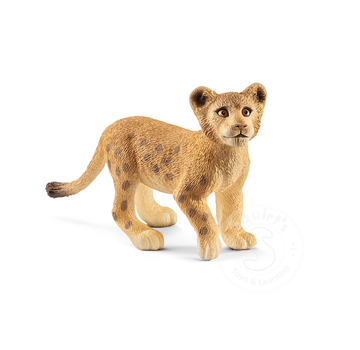
After birth, lion babies have a sand-coloured fur coat with dark, circular spots. They are well camouflaged in the savannah. Within the first four to six weeks, they remain in a den. At the age of three months, they are strong enough to follow ...
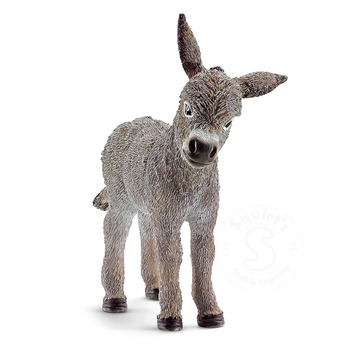
The donkey has been serving mankind for thousands of years and can be used for a variety of tasks. Donkeys are very efficient mammals. They support the farmer at his work, transport loads, sire mules, keep horses company, tend sheep and are even...
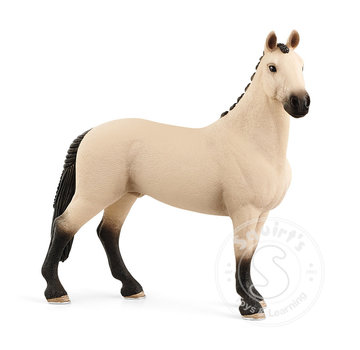
Explore the lively world of Lakeside with this Red Dun Hanoverian Gelding, a fun, educational toy figurine from Schleich! This toy is detailed and handheld, and is ideal for hours of imaginative play.
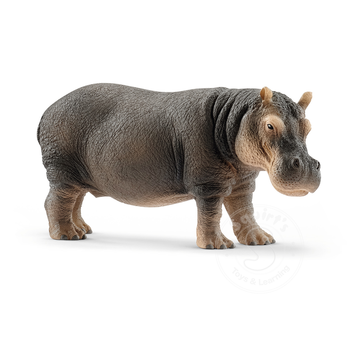
Explore the wild with this Hippopotamus , a fun, educational toy figurine from Schleich! This toy is detailed and handheld, and is ideal for hours of imaginative play.
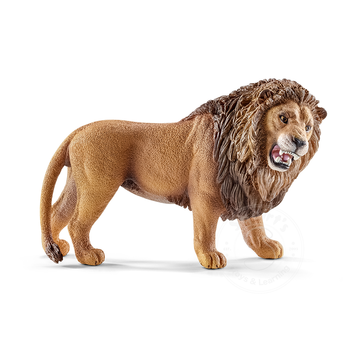
There's a new Schleich lion figurine roaring onto the scene, and while he may be king of the jungle, but we think he's more of an emper-roar! Don't worry parents — he's as friendly as he is ferocious, and suitable for big cat enthusiasts ages 3 and up.
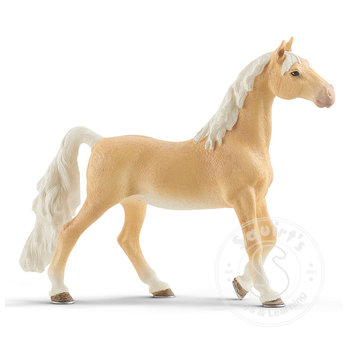
Explore the lively world of Lakeside with this American Saddlebred Mare, a fun, educational toy figurine from Schleich! This toy is detailed and handheld, and is ideal for hours of imaginative play.
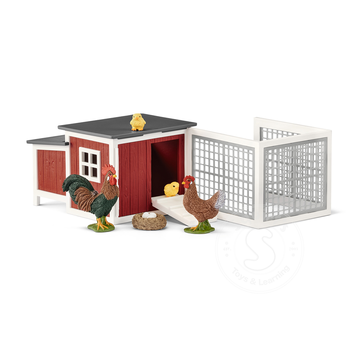
Right at the crack of dawn, the cockerel hops up onto the roof of the chicken coop and crows. As the first rays of sunlight appear, the hen comes out too. She starts to scrape at the ground and peck for seeds, when cheeping noises can be heard ...
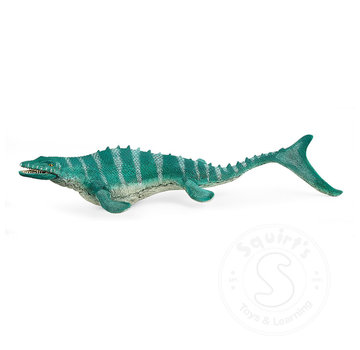
The movable jaw of the Mosasaurus from Schleich® DINOSAURS contains many pointy teeth. When hunting prey such as fish or turtles, the dinosaur opened its mouth very wide and bit down powerfully. The shape of its teeth means that it probably didn’t...